
Canned Tuna in Olive Oil: A Practical Guide to Flavor and Mediterranean-Style Meals
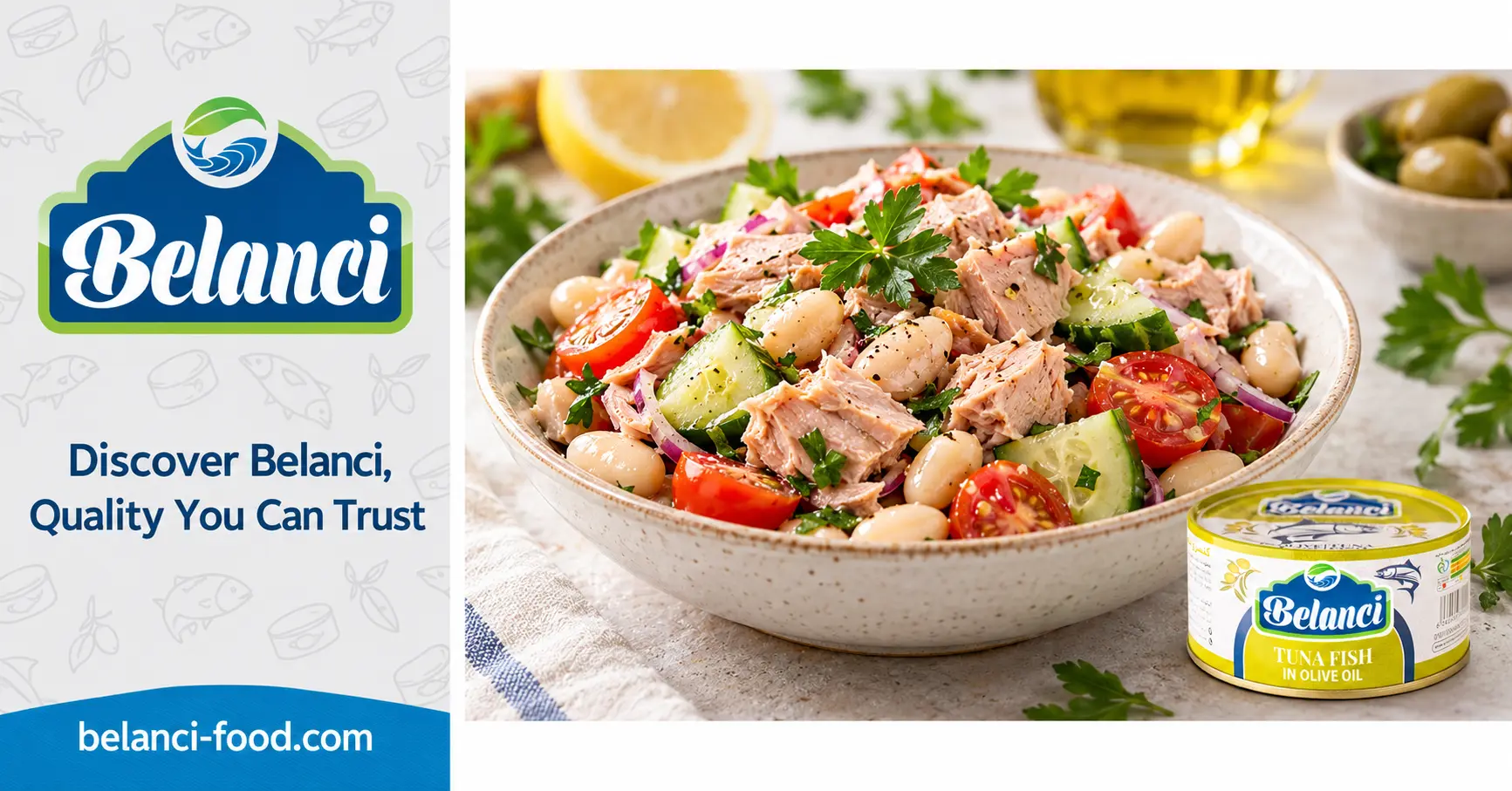
Canned tuna in olive oil can turn a few ordinary ingredients into a satisfying meal. Put it beside ripe tomatoes, warm potatoes or a bowl of pasta, and much of the work is already done. The fish brings substance, while the oil helps carry the flavors of lemon, herbs and vegetables. The trick is deciding how much oil to keep and when to add the tuna so its texture remains appealing.
This guide explains how to choose a can, build balanced dishes and avoid the mistakes that make tuna meals heavy or dry. If you are exploring this product, you can also view Belanci canned tuna in olive oil for the product information.
What is canned tuna in olive oil?
It is tuna packed with olive oil in a sealed can. Commercial canning includes heat treatment, so the product differs from raw tuna sold at a fish counter. Always follow the preparation instructions printed on the particular can, including any heating directions provided for the market where you buy it.
Olive oil contributes to the eating experience as well as the packing liquid. Its flavor may be mild or more noticeable depending on the oil used. Do not assume that every product contains extra virgin olive oil: that description should appear on the label if it applies. The ingredient list is a better guide than a picture of olives on the packaging.
How the oil influences flavor and texture
When served with a little of its packing oil, tuna can feel softer and richer on the palate. This is particularly useful in dishes without a creamy sauce. A spoonful of oil can coat beans, moisten bread or help distribute seasoning through pasta.
The best amount depends on the other ingredients. Avocado, mayonnaise and cheese already add richness, so a dish containing them may need well-drained fish. Tomatoes, cooked grains and plain potatoes leave more room for the oil. Start with less than you think you need, combine everything gently, then adjust.
What to check before choosing a can
Read the ingredients and weight information
Check the stated oil, the tuna description, salt and any additional ingredients. Net weight includes the contents of the can, while drained weight, when given, helps you understand how much fish remains after removing the liquid. These figures are useful when comparing products or estimating portions for a recipe.
Match the fish format to the dish
Larger pieces suit a composed salad where the tuna stays visible. Smaller flakes mix more easily into sandwich fillings or stuffed vegetables. Neither format is automatically better for every meal. Choose according to the result you want rather than expecting one texture to do everything.
Check the container and instructions
Choose a sound can and read its storage and preparation guidance before use. Avoid containers that are swollen, leaking or badly damaged. A readable label also makes it easier to keep track of dates, ingredients and the instructions that apply to that specific product.
Should you drain canned tuna in olive oil?
Drain it according to the dish, rather than treating draining as an all-or-nothing rule. For a leafy salad, let excess oil run off so the leaves do not become slick. For pasta or a bean salad, reserve a small amount separately and add it only if the finished dish needs it.
Use a spoon or sieve without squeezing the fish into a dry mass. Aggressive pressing breaks up larger pieces and removes the coating that can make them pleasant to eat. If you prefer not to use the packing oil, drain it and make the dressing separately. There is no need to force every drop into the recipe.
A simple Mediterranean-style tuna and bean salad
This combination works because each ingredient has a clear job: beans provide a soft base, cucumber adds crunch, tomatoes contribute juiciness and lemon brightens the dressing. The tuna should remain in distinct pieces rather than disappearing into the mixture.
Ingredients for two light meals
- One can of tuna in olive oil, prepared according to its label
- One cup of cooked white beans, drained
- One small cucumber, diced
- One cup of chopped tomatoes
- Two tablespoons of chopped parsley
- One tablespoon of finely chopped red onion
- One tablespoon of lemon juice, plus more to taste
- Black pepper and a little reserved packing oil, if desired
Method
- Mix the beans, cucumber, tomatoes and onion in a bowl.
- Add lemon juice, parsley and black pepper, then stir.
- Fold in the tuna gently, keeping some larger pieces intact.
- Add a little reserved oil only if the mixture needs moisture.
- Taste before adding salt, then serve with bread or cooked grains.
For a sharper finish, add a few capers. If using olives as well, reduce other salty additions until you have tasted the complete salad. Drain very juicy tomatoes briefly when preparing a filling for bread, since their liquid can soften it quickly.
Warm pasta without a heavy sauce
Cook short pasta and reserve a small cup of its cooking water before draining. In a separate pan, soften sliced garlic in a little oil, then add chopped tomatoes. Once the tomatoes soften, combine them with the pasta and enough reserved water to loosen the mixture.
Fold in the tuna near the end and warm it gently, following the can’s preparation directions. Finish with parsley, lemon zest and black pepper. There is usually no culinary advantage to simmering the tuna throughout the entire sauce-making process; prolonged stirring can break the pieces down and leave the dish less appealing.
Other meals that suit this product
Potato and green bean salad
Combine cooked potato pieces with green beans and a lemon dressing. Add the tuna after the potatoes have stopped steaming heavily. Mustard can give the dressing a sharper edge, while chopped parsley keeps the flavors simple. Serve in a shallow bowl so the fish stays distributed rather than collecting at the bottom.
Tomato toast
Toast thick bread, add chopped tomatoes and place drained tuna on top. Finish with lemon and herbs. Assemble just before eating; storing the topping on the bread encourages sogginess. For extra crunch, add thinly sliced radish or cucumber instead of increasing the amount of dressing.
Grain bowls with roasted vegetables
Use cooked bulgur, rice or couscous as the base. Add roasted peppers, courgette or carrots, followed by the tuna and a bright dressing. Keep the grain, vegetable and fish portions distinct at first, then mix while eating. This helps every ingredient retain its character.
Common mistakes and easy adjustments
If a dish feels oily, add more of its plain base, such as beans or potatoes, and drain excess liquid before serving. Lemon can improve flavor balance, but it does not remove oil. If the dish tastes flat, try herbs, acidity or black pepper before reaching for more salt.
If the fish becomes dry, use gentler heat and shorter warming next time. Add tuna after a sauce has developed rather than at the beginning. For salads, mix the dressing with the vegetables first and fold in the fish last. This avoids turning a textured salad into a uniform paste.
Plan the plate before opening the can
Choose one main base, two vegetables and one dressing direction. For example, white beans, tomatoes, cucumber and lemon make a coherent meal without extra sauces. Pasta, roasted peppers, parsley and a little cooking water create a different result with the same tuna. Keeping this framework simple helps prevent a crowded dish where every ingredient competes for attention.
Use the bowl size as a practical guide too. A shallow serving dish lets you spread the fish over the vegetables and dress them evenly. Add delicate leaves immediately before serving, and put extra lemon on the table so each person can adjust their portion.
Storing unopened and opened tuna
Keep unopened cans in a cool, dry place and follow the date and storage directions on the label. After opening, refrigerate unused tuna promptly in a clean, covered container. Belanci’s product page specifies refrigeration at 0–4°C and consumption within two days; follow the instructions on your actual package if they are more restrictive.
Only remove the portion you intend to serve, using clean utensils. Keep extra tuna separate from bread and salad leaves so each component holds its texture. Packing oil does not make opened tuna suitable for storage at room temperature.
Frequently asked questions
Is the olive oil always extra virgin?
No. Check the ingredient list for the exact oil description. The phrase “in olive oil” alone does not identify its grade.
Can I use it in warm dishes?
Yes. Follow the label’s preparation directions, then add the fish at a stage that preserves the texture you want.
Does it need mayonnaise?
No. Lemon, herbs and a little oil can provide enough dressing for many salads and sandwich fillings.
Where can I find the Belanci product?
Visit the canned tuna in olive oil product page to review the published details. Choose your accompanying ingredients around the meal you want: fresh and crisp for toast, soft and substantial for beans, or gently warmed for pasta.

