
anned Tuna in Vegetable Oil: Everyday Lunches, Sandwiches and Warm Meals
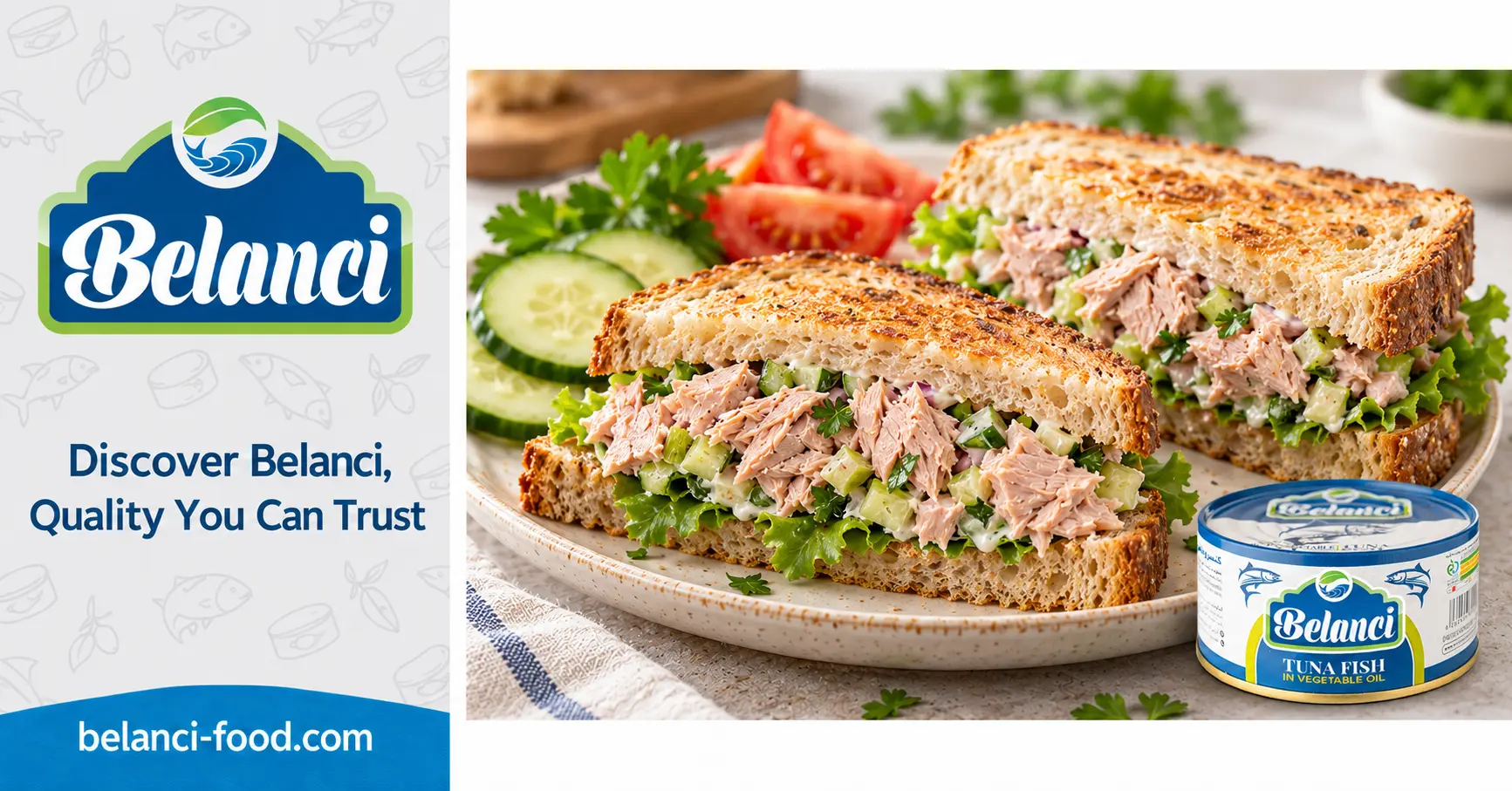
Canned tuna in vegetable oil is a useful starting point when lunch needs to come together without a complicated recipe. It can become a crisp sandwich filling, a topping for rice or the final ingredient in a tomato pasta. The most successful meals begin with one decision: do you want the tuna to blend into the filling or remain in visible pieces?
Once that is clear, choosing vegetables, seasonings and the right amount of dressing becomes easier. This guide focuses on practical combinations, portion planning and preparation techniques. You can review the Belanci canned tuna in vegetable oil page alongside these ideas to learn about the product itself.
Understanding tuna packed in vegetable oil
This product combines tuna with a vegetable-based packing oil in a sealed can. The exact oil depends on the product, so check the ingredient list instead of assuming it is sunflower, soybean or another particular type. The words “vegetable oil” describe a category rather than one universal recipe.
Commercially canned tuna undergoes heat treatment during production. Nevertheless, preparation directions can differ between products and markets. Read and follow the instructions on the can you purchase, including any stated heating requirements, before using it in a cold filling or a warm meal.
Why it works in everyday cooking
Many vegetable oils have a relatively mild flavor, which gives cooks room to build different seasonings. Lemon and parsley create one direction; cumin, coriander and a little chilli create another. A mustard dressing works in a sandwich, while tomato sauce makes sense with pasta.
The fish also fits several textures. Keep larger pieces for a rice bowl, separate it into flakes for a wrap, or combine it more thoroughly with mashed potato for a filling. Changing the texture and seasoning can make the same pantry ingredient feel different across several meals.
How to read the label before planning portions
Start with the ingredients, net weight and drained weight, where provided. Net weight describes the whole contents, including the packing liquid. Drained weight is more useful when estimating the fish available for sandwiches or bowls. Compare like with like rather than judging value by can size alone.
Check the nutrition panel’s reference amount too. Values may refer to a serving, 100 grams or a specified drained product. These are not interchangeable. Read the salt and fat information in that context, and account for what you add during cooking. Mayonnaise, cheese and salty pickles can change the finished meal considerably.
Draining for different recipes
For sandwiches, drain the tuna well enough that liquid does not collect in the bowl. A sieve and gentle pressure are usually more useful than crushing the fish. For warm grains, you may prefer to leave a light coating so the pieces do not feel dry.
For tomato pasta, begin with drained tuna and decide later whether the sauce needs any additional oil. If you are adding mayonnaise or another rich dressing, start with a small quantity. It is easier to add another spoonful than to correct a filling that has become greasy or loose.
A crunchy tuna sandwich filling
A good filling should hold together without soaking the bread. Finely chopped vegetables provide contrast, while a modest amount of dressing connects the ingredients. Make this version first, then adjust the mustard, lemon or herbs to suit your taste.
Ingredients for two sandwiches
- One can of tuna in vegetable oil, prepared according to its label and drained
- Four slices of bread or two small rolls
- Two tablespoons of finely diced cucumber or celery
- One tablespoon of finely chopped pickles
- One tablespoon of mayonnaise or thick plain yoghurt
- One teaspoon of mustard, optional
- One teaspoon of lemon juice
- Chopped parsley, black pepper and dry lettuce leaves
Method
- Place the drained tuna in a bowl and separate it with a fork.
- Pat wet vegetables and pickles dry before adding them.
- Mix the mayonnaise or yoghurt with lemon juice and mustard.
- Fold the dressing into the tuna, then add parsley and pepper.
- Put lettuce on the bread, add the filling and serve promptly.
For a packed lunch, keep the filling chilled and separate from the bread until convenient. If you add sliced tomatoes, remove excess liquid first. Toasting the bread helps with texture, but it does not compensate for a filling that contains too much moisture.
Build a rice bowl with contrasting textures
Begin with a base of cooked rice, then add drained tuna, shredded carrot, cucumber and a spoonful of cooked sweetcorn. Keep a simple lemon dressing separate until serving. A little spring onion brings freshness without needing a long list of extras.
For a warm version, soften diced onion and pepper in a pan, add the tuna near the end and spoon the mixture over freshly cooked rice. Follow the preparation directions for the fish and avoid unnecessary prolonged frying. Finish with herbs rather than repeatedly stirring the bowl until every ingredient breaks apart.
Make a quick tomato and tuna pasta
Soften chopped onion and garlic, add crushed tomatoes and let the sauce develop before introducing the fish. Meanwhile, cook the pasta and reserve some cooking water. Combine pasta and sauce, then fold in the tuna and enough water to bring everything together.
Black pepper, parsley and a little lemon zest can finish the dish. Add chilli if you enjoy heat, but use restraint with strongly flavored ingredients until you taste the sauce. The tuna should still contribute its own flavor instead of becoming an invisible ingredient behind salt and spice.
More ways to use canned tuna in vegetable oil
Filled baked potatoes
Split a baked potato and loosen the inside with a fork. Add tuna mixed with spring onion and a little yoghurt or lemon dressing. Keep the filling relatively thick so it sits inside the potato. Serve with cucumber or tomato on the side for contrast.
Vegetable wraps
Spread a small amount of dressing on a flatbread, then add tuna, shredded cabbage and grated carrot. Keep the filling away from the edges and roll firmly. If the vegetables are wet, dry them first; otherwise the wrap may soften before you finish eating.
Warm chickpea skillet
Warm cooked chickpeas with chopped tomatoes, cumin and a little water. Fold in drained tuna at the end, then add parsley and lemon. Serve with bread. This combination is useful when you want a substantial dish without preparing a separate sauce or several side dishes.
Plan several meals without repeating one flavor
Prepare versatile vegetables rather than mixing a large batch of dressed tuna. Chopped carrot can go into a wrap today and a rice bowl tomorrow. Washed herbs can finish pasta or a potato filling. Keep wet ingredients, bread and dressings separate until you assemble the meal.
Open only the amount of tuna you can use within the package’s storage instructions. Planning around unopened cans gives you flexibility without relying on the same opened container for an entire week. Write the opening date on any container of leftovers to avoid guessing later.
Fixing common texture and seasoning problems
A watery filling usually needs better-drained fish, drier vegetables or less dressing. Add dressing gradually and allow the ingredients to combine before adding more. If the tuna tastes dry, loosen the filling with a little yoghurt or dressing instead of crushing it harder with the fork.
If a dish tastes too salty, increase its unsalted base, such as potato, rice or vegetables. Lemon may improve the balance, but it does not remove salt. Taste after adding pickles, capers or cheese, since these can contribute more seasoning than expected.
Before serving, consider the final bite rather than each ingredient separately. Taste a little tuna with the bread, rice or potato it will accompany. A filling that seems sharp on its own may taste balanced inside a roll, while a well-seasoned sauce may need no additional salt once the tuna is folded through.
Storage and handling after opening
Store unopened cans as directed on the label, away from heat and damp conditions. Do not use a swollen, leaking or badly damaged can. After opening, refrigerate unused tuna promptly in a clean, covered container. Belanci’s product page specifies 0–4°C and use within two days; respect any stricter instructions on the package you have.
Keep prepared sandwiches and tuna salads chilled until serving. Taking only the portion you need helps the remaining food stay cold. Neither vegetable oil nor lemon juice makes an opened fish product suitable for keeping on a kitchen counter.
Frequently asked questions
Which vegetable oil does the product contain?
Check the current ingredient list for the exact oil. Do not infer the type from the general product name alone.
Should I rinse the tuna?
For these recipes, draining is sufficient for the intended texture. Follow the package’s preparation instructions and adjust the dressing to your preference.
Can I replace mayonnaise?
Yes. Thick plain yoghurt, a mustard dressing or a little lemon and oil can work, depending on the dish.
Where can I see the product details?
Visit Belanci’s canned tuna in vegetable oil page, then choose a recipe around the ingredients already in your kitchen.

