
Canned Tuna with Pinto Beans in Tomato Sauce: How to Make a One-Pan Dinner
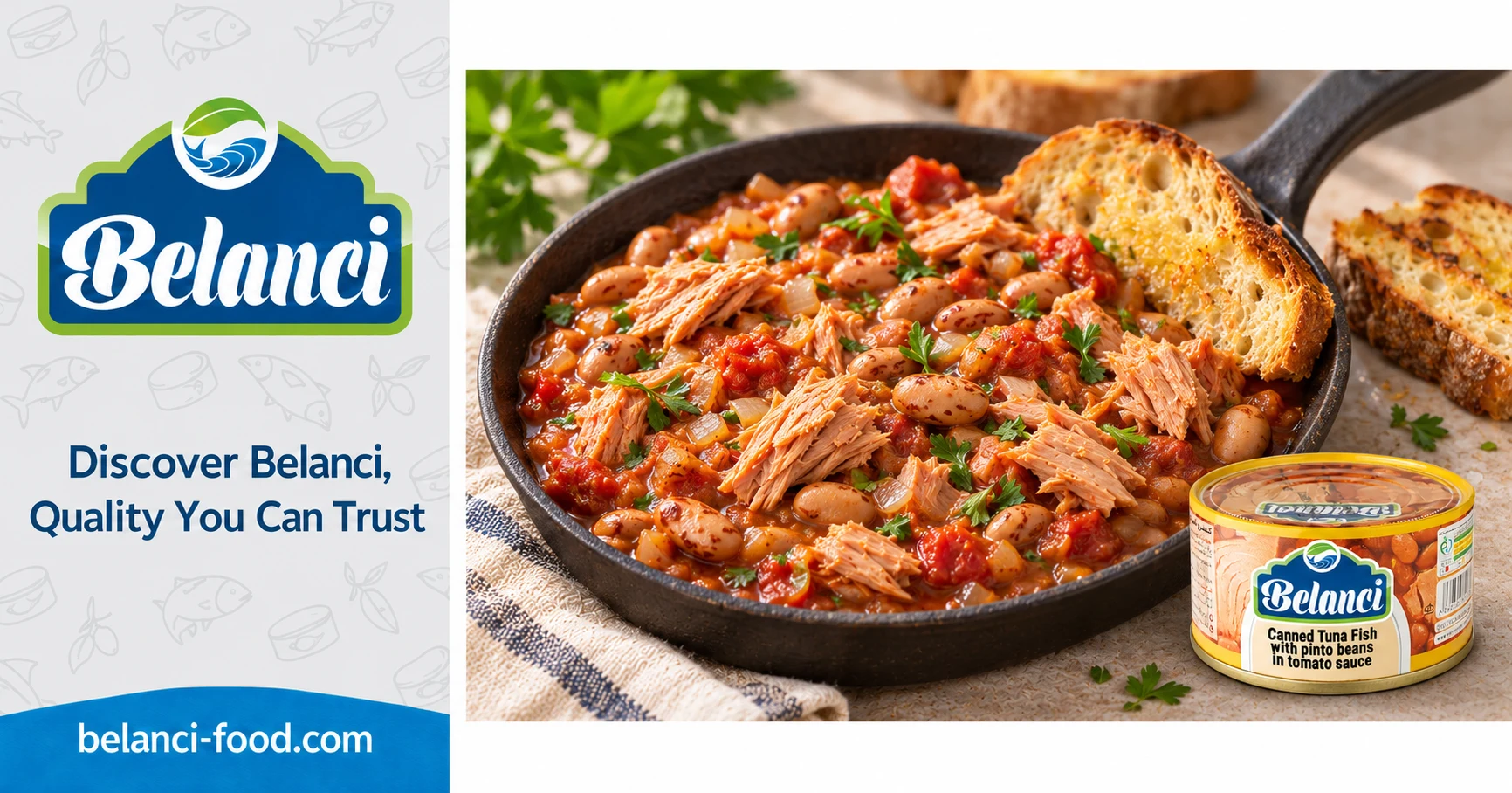
Canned tuna with pinto beans in tomato sauce gives a skillet dinner its three main ingredients in one can: fish, beans and a sauce to bring them together. With a little softened onion, a spoonful of chopped tomatoes and some toasted bread, you can make a meal with a thick sauce and recognizable flakes of fish. The important step is to cook any added vegetables first so the tuna and beans only spend as long in the pan as they need.
This recipe uses the sauce in the can as the starting point, with a few adjustments for the pan and the way you plan to serve it. See Belanci’s canned tuna with pinto beans in tomato sauce for the product featured in the recipe.
Why the tomato sauce belongs in the pan
When tuna comes packed with beans in a tomato sauce, that liquid is part of the dish. It coats the beans, carries the seasoning and gives the fish something to sit in without becoming dry. Keep it when you open the can as directed. After you add it to the cooked onion, you can decide whether the pan needs more body, a splash of water or simply a few minutes of gentle heat.
Read the preparation directions on the can before starting, and follow any instructions about heating or handling. The times in this recipe describe the skillet steps and do not replace those directions. Once you are ready to use the contents, leave any larger pieces of tuna intact until you can see how they sit in the sauce. Breaking them up a little at the end is easier than trying to recover chunks after vigorous stirring.
One-pan tuna and pinto bean dinner
One can makes one hearty serving with toast or two smaller servings with a side. Allow around 15 minutes for the skillet steps and any extra time needed for the preparation stated on the label. A medium skillet is ideal: the onion has room to soften, but the sauce does not spread so thinly that it evaporates before the fish and beans have warmed through.
Ingredients
- 1 can of Belanci tuna with pinto beans in tomato sauce, prepared according to its label
- 1 teaspoon cooking oil
- ½ medium onion, finely diced
- 1 small garlic clove, finely chopped
- ½ cup chopped tomatoes, fresh or canned
- 1 to 3 tablespoons water, only if needed
- Black pepper and 2 tablespoons chopped parsley
- 2 to 4 slices of toasted bread, to serve
- Optional: a pinch of smoked paprika or a squeeze of lemon
Preparation
- Warm the oil in a medium skillet over medium heat. Add the onion and cook for about 4 to 5 minutes, stirring, until it softens.
- Add the garlic and stir for about 30 seconds. Add the tomatoes and cook for 3 to 5 minutes, until they soften and their juices thicken slightly.
- Lower the heat and add the prepared tuna, beans and the sauce from the can. Fold them into the tomatoes with a spoon, keeping some fish in larger pieces.
- Warm gently until hot throughout. If the sauce is too thick, stir in water a tablespoon at a time. If it is loose, let it simmer briefly uncovered.
- Taste before adding any extra salt. Finish with black pepper, parsley and, if needed, a little lemon. Serve with the toast on the side.
Chop the onion finely enough that it softens quickly and does not dominate the texture of the beans. Wait until the onion has softened before adding the garlic. The short cooking time for garlic gives it a chance to become fragrant without leaving it in the pan while the onion still needs several minutes. Have your tomatoes ready to add as soon as the garlic smells fragrant.
When should the tuna and beans go in?
Add both after the onion and any additional vegetables have softened and the fresh tomato juices have started to concentrate. The skillet is then ready to receive the prepared contents of the can. The fish and beans can warm together while the tomato sauce coats them. If you add them at the beginning, the fish can break into small shreds while you stir, and the beans may split as you wait for the vegetables to cook.
When doubling the recipe, use a larger skillet or heat the mixture in two batches. If the pan is crowded, the center may stay cool while the edges bubble. Bring the outer sauce toward the center with a broad spoon, taking care to move the contents gently. Once the dish is hot throughout and the sauce has the right consistency, remove it from the heat rather than keeping it at a vigorous simmer.
How to adjust the sauce for serving
For dipping with toast
A dipping sauce should cling to the back of a spoon while still running off slowly. If it looks dry, add water in small amounts and stir gently. A little water can loosen the tomato base enough to coat the fish and beans again. Add it by the tablespoon so you do not have to spend extra time reducing a pan that has suddenly become too thin.
For spooning over rice or potatoes
Leave the sauce slightly looser when it is going over plain rice or a split baked potato. Both can take up some of the liquid, and the sauce gives the base most of its seasoning. Add it just before eating so the meal keeps some contrast. For toast served open-faced, let the sauce reduce a little more, and assemble just before bringing it to the table.
When the sauce looks watery
Simmer the pan uncovered for a short time. If the fish is already breaking apart, lift a few large flakes out onto a clean plate and return them once the sauce has thickened. Another option is to mash a spoonful of beans against the side of the pan and stir them through the liquid. Start with a few beans so the sauce remains spoonable and does not turn into a paste.
Easy ways to vary the skillet
For a sweet vegetable note, add diced sweet bell pepper with the onion. For a greener finish, fold a handful of chopped spinach into the tomato base before adding the tuna and beans. Let it wilt and cook off the liquid it releases. Zucchini also works, but give it time to soften and release moisture before the canned mixture goes in. Otherwise the finished sauce may get thinner as the zucchini continues cooking.
For a gently smoky flavor, add a pinch of smoked paprika just before the tomatoes and stir it into the oil for a few seconds. For a brighter version, add chopped parsley and a little lemon after tasting at the end. Choose one direction first. The tomato sauce and the fish already have flavor, and using too many strong extras can leave you unable to taste either clearly.
Serving and storing the meal
Serve the skillet with toast, plain rice or a baked potato. If you have a crisp salad, serve it separately so its dressing does not dilute the tomato sauce. Toast thick slices when you want something sturdy enough to dip, or cut bread into small pieces for individual bowls. A little chopped parsley and a grind of black pepper bring freshness without requiring a second sauce.
Refrigerate leftovers promptly in a clean, covered container and follow the storage directions on the tuna package. Store toast separately so it stays crisp. To serve a leftover portion warm, reheat it thoroughly and add a small splash of water if the sauce has thickened in the refrigerator. Heat only the portion you plan to eat and stir gently to preserve the fish and beans.
Match the pan to the amount of sauce
If you are working with one can, avoid an oversized skillet. The sauce will spread into a thin layer, and you may end up adding water just to replace what evaporated. If your only pan is wide, keep the heat low and gather the mixture near the center. Use a spoon to check the consistency just before serving; tomato sauce often looks slightly thicker once it stops bubbling.
Common questions
Do I need to drain the can?
Keep the tomato sauce for this recipe. It forms the base of the dish. If there is more sauce than you want, add it in stages while you check the consistency rather than discarding it at the start.
Can I skip the fresh tomatoes?
Yes. Once the onion and garlic have softened, add the prepared tuna, beans and sauce, then loosen with a little water if necessary. The serving will be smaller, but it will still work well with bread or over a potato.
Should I add salt at the start?
Wait until the canned sauce and the tomatoes have cooked together. Taste them with a piece of fish and a bean. Once the flavors have combined, you can decide whether the dish needs salt, a touch of acidity or simply some herbs.

