
Lemon Tuna Pasta with Capers: A Light Olive Oil Sauce
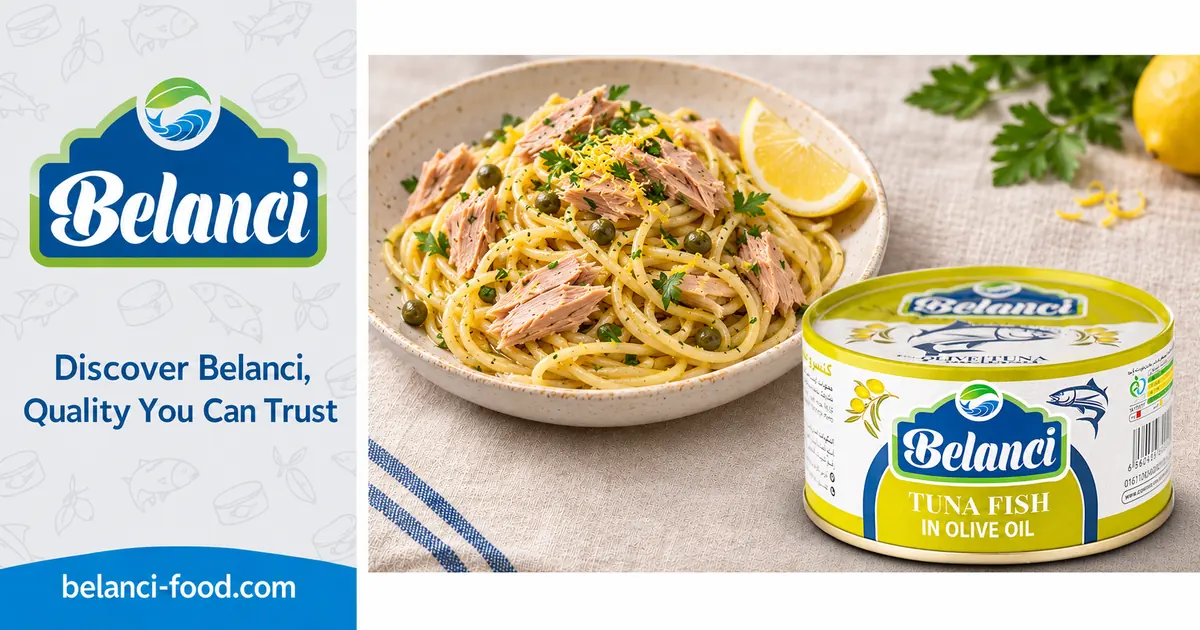
Lemon tuna pasta with capers needs only a short list of ingredients, but the order of preparation matters. Garlic flavors the oil, a little pasta water loosens the sauce, and the fish goes in near the end so it stays in generous flakes. The result should taste bright and savory, with a light coating on the spaghetti rather than a puddle of oil underneath it. There is no cream or tomato sauce to prepare.
Belanci canned tuna in olive oil gives this recipe its fish and an optional source of oil for the pan. You do not need to use all the packing liquid. Reserve it separately, measure what you need and add the rest of the ingredients around the amount of fish. This makes the recipe easier to adjust than tipping the whole can into a pan and trying to correct the sauce afterward.
What makes the sauce work?
This sauce relies on a small amount of oil and the starchy water collected while the pasta cooks. Moving the spaghetti through the liquid helps it form a light coating. Lemon juice adds acidity, capers contribute a briny note and parsley gives the finished bowl freshness. None needs to dominate. Taste a strand of pasta with a flake of fish and a caper before deciding whether the dish needs more lemon or salt.
Choose spaghetti or linguine if you enjoy winding the sauce around a fork. Short pasta also works and can make it easier to distribute the tuna between portions. Use the cooking time on your pasta packet as the starting point. The final minute in the pan should bring the pasta and sauce together, so check a strand before draining rather than relying only on the clock.
Ingredients for two servings
Allow about 20 to 25 minutes for cooking and assembly, plus any preparation time specified on the tuna label. Measure the fish after draining: can sizes and drained yields vary, so use enough cans to provide the stated amount. The recipe is designed as a main course for two, with a green salad alongside if desired.
- 180 g dried spaghetti or linguine
- 150 g drained tuna in olive oil, prepared according to the can’s instructions
- 1 tablespoon olive oil, including any reserved packing oil you choose to use
- 2 small garlic cloves, thinly sliced
- 1 tablespoon drained capers, briefly rinsed if very salty
- 1 teaspoon finely grated lemon zest, using only the yellow skin
- 1 tablespoon fresh lemon juice, with more to taste
- 3 tablespoons chopped flat-leaf parsley
- 150 ml reserved pasta cooking water; you may not need it all
- Black pepper and salt, as needed
How to make lemon tuna pasta with capers
- Read and follow the tuna label’s preparation directions, including any heating instructions. Drain the prepared fish, reserve a little oil separately and divide the tuna into large flakes.
- Bring a saucepan of water to a boil and season it moderately with salt. Cook the spaghetti according to the packet, checking shortly before the stated time. Before draining, measure out 150 ml cooking water.
- While the pasta cooks, warm the tablespoon of oil in a wide pan over medium-low heat. Add the garlic and cook gently until fragrant and pale gold, watching closely so the thin slices do not burn.
- Add the capers and stir briefly. Pour in about 60 ml of the reserved cooking water, then add the drained spaghetti. Lift and turn it through the liquid for roughly one minute.
- Lower the heat. Add the tuna and fold gently rather than stirring hard. If the pasta looks dry, add a little more cooking water, one tablespoon at a time, until the strands have a light coating and the fish is hot throughout.
- Remove from the heat and add the lemon zest, juice, parsley and black pepper. Taste everything together, adjust the lemon or salt if necessary and serve promptly in warm bowls.
Keep the remaining cooking water beside the stove until you have served the pasta. The coating can tighten as the bowl waits, especially when the pasta is very absorbent. A small splash and a gentle turn often restore the texture. It is harder to fix the sauce once you have discarded the water and reached for extra oil as the only way to loosen it.
Use the packing oil deliberately
The packing oil can contribute flavor, but its quantity should still count toward the tablespoon in the recipe. If you prefer to use fresh olive oil, drain the tuna and measure that instead. Either approach gives you control over the finished dish. Keep the oil in a separate bowl while preparing the fish, rather than letting it collect beneath the drained tuna where the amount is difficult to judge.
A glossy sauce and a greasy sauce are different things. The spaghetti should slide easily without leaving a layer of oil on the bottom of the plate. If it seems oily, add a small splash of cooking water and turn the strands through it before adding more fat. If you accidentally used too much oil, remove some visible excess or increase the plain cooked pasta rather than trying to hide it with lemon.
Balance capers and lemon before adding salt
Capers vary considerably in saltiness. Drain those packed in brine and taste one; rinse briefly if its salt overwhelms the flavor. Capers preserved in dry salt need more thorough rinsing according to their packaging. Do not add the caper brine automatically. Start with the capers themselves, since the tuna and cooking water also bring seasoning to the pan.
Zest and juice do different jobs. Zest gives lemon aroma with less acidity, while juice changes the sharpness of the sauce. Grate the yellow surface lightly without reaching the bitter white layer underneath. Add both off the heat, then taste. If the pasta is already sharp enough but needs a fresher lemon scent, choose a little more zest instead of another large squeeze of juice.
Keep recognizable pieces of tuna
Separate the fish gently with a fork and leave a few larger flakes for the top of each bowl. Add the rest after the pasta has already met the oil and cooking water. This avoids repeatedly stirring the fish while the sauce develops. A broad spoon or tongs can lift the spaghetti around the tuna without reducing it to a fine paste.
There is no need to fry the prepared tuna until it looks crisp for this recipe. Gentle warming keeps the focus on the fish and the light lemon coating. Follow the product’s preparation guidance first, then keep the final pan stage brief enough to preserve the texture. If your can contains small flakes, distribute them gently and finish each bowl with parsley rather than searching for large pieces that are not there.
Small variations that keep the dish balanced
For a little warmth, add a pinch of chili flakes to the garlic oil. For extra texture, serve a spoonful of toasted breadcrumbs over each bowl just before eating. Keep the breadcrumbs separate until then so they remain crisp. If you want vegetables, quickly cooked green beans or peas can work, but drain them well before folding them into the pasta.
For an even simpler version, leave out the capers and use more parsley. Taste before adjusting salt, since removing capers changes the balance. Avoid adding several salty extras, such as olives, capers and a generous amount of cheese, without tasting between them. A short ingredient list makes the tuna easier to notice and keeps the lemon from becoming merely a way to cut through excessive seasoning.
Serving and planning ahead
Have the parsley chopped, lemon grated and capers drained before the pasta finishes cooking. This recipe moves quickly once the spaghetti reaches the pan. Warm the serving bowls if convenient and divide the fish between them rather than letting all the larger flakes land in the first portion. Offer lemon wedges at the table so each person can make a small final adjustment.
For advance preparation, measure the dry ingredients and prepare the herbs separately, then cook the pasta close to serving. Refrigerate leftovers promptly in a clean covered container and follow the tuna package’s storage directions. When reheating, warm the portion thoroughly with a little water to loosen the coating. Fresh parsley can brighten the reheated bowl, though the texture will differ from pasta served immediately.
Frequently asked questions
Can I use bottled lemon juice?
You can, but add it gradually and taste. You will not have the fresh zest that supplies much of the aroma, so parsley becomes particularly useful in the final seasoning.
Why is my sauce watery?
You may have added too much cooking water at once. Turn the pasta through the liquid briefly before adding the tuna. Start with less water next time and add more only as needed.
Does the dish need cream?
No. The oil and pasta water are intended to coat the strands lightly. Adding cream changes the recipe into a richer sauce and will require a fresh adjustment of lemon and seasoning.

